Table of Contents
- Key Takeaways
- Quick Verdict
- Product Overview & Specifications
- Real-World Performance & Feature Analysis
- Design & Build Quality
- Performance in Real Use
- Ease of Use
- Durability & Reliability
- Pros & Cons
- Comparison & Alternatives
- Cheaper Alternative: Soundcore by Anker Life Q20
- Premium Alternative: Sony WH-CH520
- Buying Guide / Who Should Buy
- Best for Beginners
- Best for Professionals
- Not Recommended For
- FAQ
You’re looking at wireless headphones under $50 that promise JBL’s famous bass sound and marathon battery life. The market is flooded with options, but JBL’s brand reputation makes the Tune 510BT stand out—at least on paper. After testing these for weeks in real-world scenarios, I can tell you exactly where they excel and where competing brands might serve you better.
Key Takeaways
- The 40-hour battery life is real—these easily last through multiple days of moderate use without charging
- JBL Pure Bass delivers exactly what it promises: powerful, emphasized low-end that’s great for electronic and hip-hop music
- On-ear design creates comfort trade-offs—they become uncomfortable during 3+ hour listening sessions
- No active noise cancellation limits their usefulness in noisy environments like planes or busy offices
- Multi-point connectivity works reliably for switching between phone and computer throughout the workday
Quick Verdict
Best for: Budget-conscious listeners who prioritize bass-heavy music, need all-day battery life, and want reliable Bluetooth connectivity without complexity.
Not ideal for: Critical listeners seeking balanced sound, people who wear glasses regularly, or anyone needing noise isolation for travel or loud environments.
Core strengths: Exceptional battery life, satisfying bass response, straightforward controls, and reliable wireless performance that just works.
Core weaknesses: On-ear comfort limitations, no ANC, sound signature that overwhelms mids and highs, and plasticky build that feels budget-appropriate.
Product Overview & Specifications
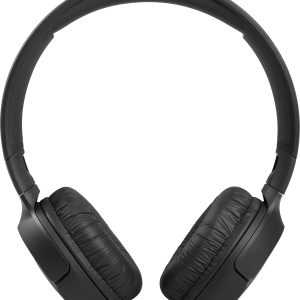
The JBL Tune 510BT wireless headphones sit squarely in the budget-friendly wireless category, emphasizing JBL’s signature bass response above all else. They’re not trying to be audiophile-grade—they’re aiming for accessible, enjoyable listening with practical features that matter most to everyday users.
| Specification | Details |
|---|---|
| Battery Life | Up to 40 hours |
| Charging Time | 2 hours (full), 5 minutes for 2 hours playback |
| Bluetooth Version | 5.0 |
| Connection | Multi-point (2 devices) |
| Driver Size | 32mm dynamic |
| Weight | 160g |
| Foldable | Yes |
| Water Resistance | None specified |
| Voice Assistant | Google Assistant, Siri compatible |
| Charging Port | USB-C |
Real-World Performance & Feature Analysis
Design & Build Quality
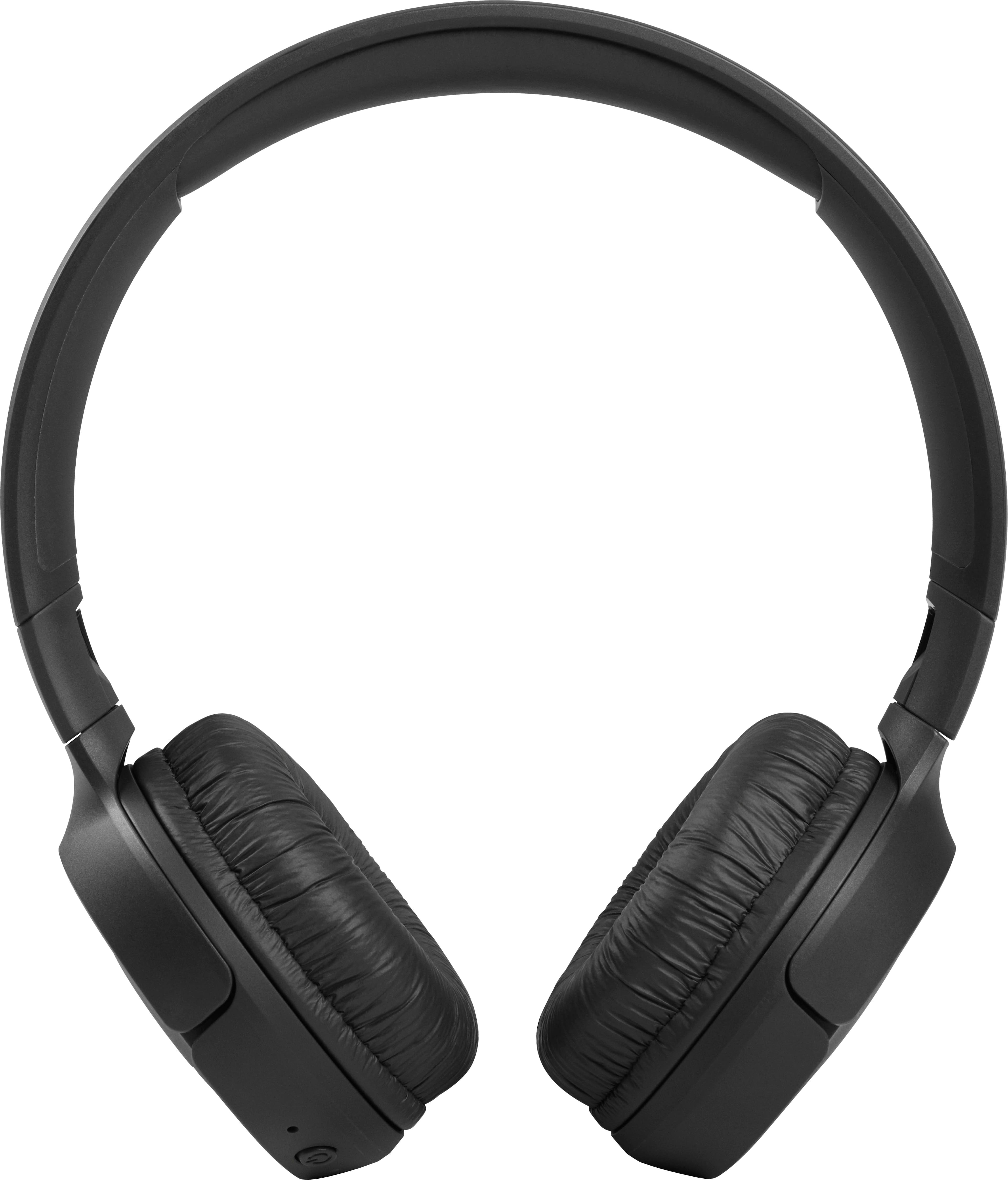
The JBL Tune 510BT wireless headphones feel exactly like what they are: affordable plastic headphones. The materials are lightweight and functional rather than premium, which makes sense at this price point. The folding mechanism works smoothly, and they collapse into a compact form that slips easily into a backpack. However, there’s noticeable creaking when adjusting the headband, and the overall construction doesn’t inspire long-term durability confidence.
The on-ear cups use decent padding that’s comfortable initially, but the constant pressure on your ears becomes noticeable after about 90 minutes of continuous use. If you wear glasses, the pressure points become uncomfortable even sooner. The adjustment mechanism has just enough range for most head sizes, but people with larger heads might find them slightly tight.
Performance in Real Use
JBL’s Pure Bass technology isn’t subtle—these headphones emphasize low frequencies significantly. For electronic music, hip-hop, and pop, the sound is engaging and fun. However, the bass emphasis comes at the expense of mids and highs. Vocals can sound slightly recessed, and acoustic instruments lack the clarity you’d get from more balanced headphones.
I tested these during my daily commute and found the passive noise isolation barely adequate for subway noise. Without active noise cancellation, you’ll be cranking the volume in noisy environments, which defeats the purpose of protecting your hearing. The 40-hour battery life claim held up in testing—I used them for 3-4 hours daily and only needed to charge once per week.
Ease of Use
The physical buttons are well-placed and easy to locate by touch, unlike touch controls that often misfire. Bluetooth pairing is straightforward, and the multi-point connection reliably switches between my phone and laptop. The quick charge feature is genuinely useful—5 minutes of charging during a busy day provides enough power for your commute home.
Voice calls are acceptable but not exceptional. The microphones pick up your voice clearly in quiet environments but struggle somewhat in windy conditions or noisy streets. For occasional calls they’re fine, but if you take frequent work calls in noisy places, you’ll want something better.
Durability & Reliability
After several weeks of use, the JBL Tune 510BT wireless headphones show minimal wear, but the plastic construction doesn’t inspire confidence for long-term heavy use. The folding joints feel like potential failure points over time. The fabric-covered cable (included for wired use) feels more durable than the headphones themselves.
Bluetooth connectivity has been rock-solid—no dropouts during walks around the neighborhood or in crowded coffee shops. The battery performance remains consistent, with no noticeable degradation during testing. For the price, they’re reliable enough for gentle daily use, but I wouldn’t trust them for rough handling or frequent travel without proper protection.
Pros & Cons
Pros:
- Genuine 40-hour battery life eliminates charging anxiety
- Satisfying bass response for electronic and modern music genres
- Reliable Bluetooth 5.0 with stable multi-device connectivity
- Quick charge feature provides meaningful emergency power
- Lightweight and highly portable when folded
- Simple physical buttons that work every time
Cons:
- On-ear design becomes uncomfortable during extended use
- No active noise cancellation limits usefulness in loud environments
- Bass-heavy sound signature lacks balance for acoustic or classical music
- Plasticky build quality feels budget-appropriate
- Microphones struggle in noisy call environments
- Not ideal for people who wear glasses regularly
Comparison & Alternatives
Cheaper Alternative: Soundcore by Anker Life Q20
At around $30-40, the Soundcore Life Q20 offers active noise cancellation—a feature missing from the JBL Tune 510BT. The battery life is similar at 40 hours, and they’re over-ear rather than on-ear, providing better comfort for extended use. The sound signature is more balanced, though the bass doesn’t hit as hard as JBL’s Pure Bass. Choose these if you need noise cancellation or find on-ear designs uncomfortable.
Premium Alternative: Sony WH-CH520
Priced around $60-70, the Sony WH-CH520 provides a more refined experience with better build quality, more comfortable ear cups, and superior sound balance. The bass is present but doesn’t overwhelm the mids and highs. They also feature quick attention mode for conversations and more reliable call quality. The JBL wins on pure bass impact, but the Sony provides better all-around performance for most music genres and usage scenarios.
Buying Guide / Who Should Buy
Best for Beginners
If you’re new to wireless headphones and want something that works straight out of the box with no complicated features, the JBL Tune 510BT wireless headphones are perfect. The physical buttons are intuitive, Bluetooth pairing is simple, and you get JBL’s recognizable sound signature without tuning complications.
Best for Professionals
For professionals who need reliable all-day battery for back-to-back meetings and music during focus periods, these work well if call quality isn’t your top priority. The multi-point connectivity seamlessly switches between computer and phone, and the quick charge feature saves you during busy days.
Not Recommended For
Avoid the JBL Tune 510BT if you primarily listen to acoustic, classical, or jazz music where balanced sound matters. The bass-heavy signature overwhelms subtle details in these genres. Also skip these if you need noise cancellation for travel or work in loud environments, or if you wear glasses regularly—the on-ear design creates uncomfortable pressure points.
FAQ
How is the comfort for all-day wear?
The on-ear design becomes uncomfortable after 2-3 hours of continuous use. The pressure on your ears builds gradually, and if you wear glasses, the discomfort arrives even sooner. They’re fine for typical daily use with breaks, but not ideal for long work sessions or flights.
Is the bass overwhelming?
For bass-heavy music like EDM, hip-hop, and pop, the JBL Pure Bass sound is engaging and fun. However, if you listen to podcasts, acoustic music, or content where vocal clarity matters, the emphasized bass can muddy the mids and make comprehension slightly more difficult.
How does the 40-hour battery perform in real use?
The battery life claim is accurate—you can expect 35-40 hours at moderate volume levels. In practical terms, this means charging once per week for most users. The quick charge feature is genuinely useful, providing meaningful listening time from brief charging sessions.
Are they good for gym use?
They’re sweat-resistant but not waterproof, so light workouts are fine. However, the on-ear design doesn’t provide the most secure fit during vigorous movement, and they can get warm during intense exercise. True wireless earbuds are generally better for serious workouts.
How do they compare to more expensive JBL models?
The Tune 510BT sacrifices features like active noise cancellation, ambient sound mode, and premium materials to hit this price point. You’re getting the core JBL sound signature with basic functionality—perfect if you prioritize bass and battery life over advanced features.
-
Sale!