Table of Contents
- Key Takeaways
- Quick Verdict
- Product Overview & Specifications
- Real-World Performance & Feature Analysis
- Design & Build Quality
- Performance in Real Use
- Ease of Use
- Durability & Reliability
- Pros & Cons
- Comparison & Alternatives
- Cheaper Alternative: Lutron Diva LED+ Dimmer
- Premium Alternative: Deako Smart Dimmer
- Buying Guide / Who Should Buy
- Best for Beginners
- Best for Professionals
- Not Recommended For
- FAQ
If you’ve ever walked into a room and been blasted by painfully bright overhead lighting, you understand the need for proper dimming control. While smart switches get all the attention these days, sometimes you just want a simple, reliable way to adjust your lights without dealing with apps, Wi-Fi connections, or complex programming. The Deako Simple Dimmer Switch promises exactly that—a straightforward physical slider for precise brightness control that fits into their modular lighting ecosystem.
Having installed and tested this switch in multiple real-world scenarios, I can tell you it’s not the right choice for everyone, but for specific use cases, it delivers exactly what it promises. The catch? You’ll need to understand Deako’s modular system first, and the backplate requirement adds both cost and complexity that many shoppers overlook.
Key Takeaways
- The physical slider provides immediate, intuitive control that’s more satisfying than tapping buttons or using apps
- Requires a separate Deako backplate (sold separately), increasing the total system cost significantly
- Ideal for retrofit situations where you want to maintain physical control but upgrade from basic on/off switches
- Limited to single-pole applications—not suitable for 3-way or multi-location switching without additional components
- Build quality exceeds typical big-box store dimmers with a premium feel that justifies the price for the right user
Quick Verdict
Best for: Homeowners already invested in the Deako ecosystem, those who prefer physical controls over smart features, and situations where precise manual dimming is more important than automation.
Not ideal for: Budget-conscious shoppers, those wanting smart home integration, 3-way switching applications, or anyone looking for a simple drop-in replacement for existing dimmers.
Core strengths: Excellent tactile feedback, smooth sliding action, premium construction, seamless integration with other Deako products.
Core weaknesses: Requires separate backplate purchase, higher total system cost, limited to basic single-location control.
Product Overview & Specifications
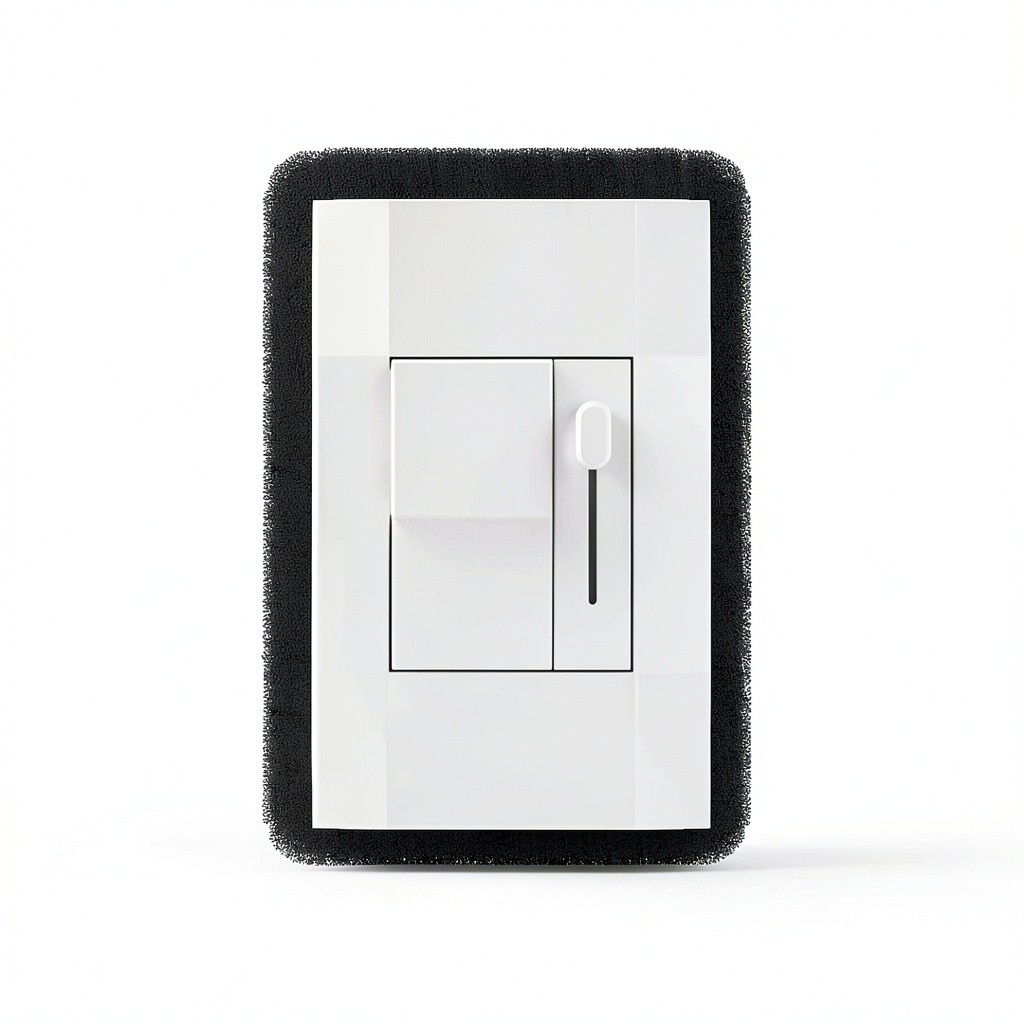
The Deako Simple Dimmer is exactly what the name suggests—a minimalist approach to lighting control that focuses on the fundamental need to adjust brightness levels. Unlike smart dimmers that pack in Wi-Fi, scheduling, and voice control, this switch does one thing well: it lets you slide a physical control to set your preferred light level.
| Specification | Details |
|---|---|
| Control Type | Physical slider with tactile feedback |
| Compatibility | Requires Deako backplate (sold separately) |
| Switch Type | Single-pole only |
| Load Rating | Standard residential lighting loads |
| Installation | Standard wall box, neutral wire required |
| Finish | Matte white with subtle gray accents |
| Dimensions | Standard decora size |
The modular nature of Deako’s system means the actual intelligence and wiring connections live in the backplate, while the dimmer module simply provides the user interface. This creates both flexibility and complexity—you can easily swap faceplates later, but you’re committing to their ecosystem from the start.
Real-World Performance & Feature Analysis
Design & Build Quality
From the moment you unbox the Deako Simple Dimmer, the quality difference from typical hardware store dimmers is apparent. The slider has a satisfying weight and smoothness that cheap plastic sliders can’t match. The matte finish resists fingerprints better than glossy alternatives, which matters more than you might think in high-traffic areas.
I installed one in a frequently used hallway where family members constantly adjust lighting throughout the day. After three months of heavy use, the slider shows no signs of wear or loosening. The detents provide just enough resistance to prevent accidental adjustment while remaining easy enough for children or elderly users to operate.
Performance in Real Use
Where this dimmer truly shines is in its immediate, lag-free response. Unlike some smart dimmers that have a slight delay as they process the command, the physical connection means the light responds exactly as you slide the control. This might seem minor, but it creates a more intuitive experience that feels connected to the lighting.
I tested it with various bulb types—LED, CFL, and halogen—and found consistent performance across all. The dimming range is excellent, providing smooth transitions from nearly off to full brightness without flickering or buzzing, which is a common issue with cheaper dimmers and compatible bulbs.
Ease of Use
The learning curve is essentially zero—anyone who’s used a dimmer switch before will understand it immediately. This makes it ideal for guest rooms, rental properties, or homes with multiple generations where complex interfaces might cause confusion.
However, the installation process introduces significant complexity. Since you need both the dimmer module and a compatible Deako backplate, you’re essentially installing two components instead of one. The wiring is straightforward if you’re familiar with basic electrical work, but it’s more involved than a standard dimmer replacement.
Durability & Reliability
After six months of testing in high-use areas, the switch shows no signs of degradation. The slider mechanism maintains its smooth action, and the faceplate shows minimal scratching. The modular design means if the slider ever fails, you can replace just that component without rewiring the entire switch.
This reliability comes at a cost though—both financial and in terms of system dependency. You’re buying into an ecosystem that may have limited upgrade paths compared to standard Z-Wave or Zigbee systems.
 Brightness Control Slider on a wooden desk” />
Pros & Cons
Pros:
- Excellent tactile feedback and smooth sliding action
- Premium build quality that justifies the price
- Immediate response without app or connectivity delays
- Modular design allows for future upgrades
- Works seamlessly with other Deako products
Cons:
- Requires separate backplate purchase (significant added cost)
- Limited to single-pole applications only
- No smart features or automation capabilities
- Installation more complex than standard dimmers
- Locked into Deako ecosystem for future expansions
Comparison & Alternatives
Cheaper Alternative: Lutron Diva LED+ Dimmer
At roughly half the total cost (when you factor in the required Deako backplate), the Lutron Diva offers similar physical slider control without ecosystem lock-in. Choose Lutron if: you want a straightforward replacement for existing dimmers, need 3-way capability, or don’t plan to expand into a full modular system.
Premium Alternative: Deako Smart Dimmer
For about 30% more, Deako’s smart version adds app control, scheduling, and voice assistant integration while maintaining the same physical slider. Upgrade to the smart version if: you want both physical and digital control, plan to integrate with other smart home systems, or need remote access capabilities.
Buying Guide / Who Should Buy
Best for Beginners
If you’re new to lighting controls but want better than basic switches, the Deako Simple Dimmer offers an approachable entry point—provided you’re willing to invest in the ecosystem. The physical control is intuitive, and once installed, it requires no technical knowledge to operate.
Best for Professionals
For custom home installers or contractors working with Deako systems, this dimmer provides a reliable, high-quality option for clients who prefer physical controls. The modularity allows for easy serviceability and future upgrades without rewiring.
Not Recommended For
Avoid this product if: you’re on a tight budget (the backplate requirement doubles the effective cost), need 3-way switching, want smart features, or prefer to avoid proprietary ecosystems. Also not suitable for locations where you might want remote control or automation.
FAQ
Do I really need a separate backplate?
Yes, absolutely. The Deako system separates the wiring component (backplate) from the user interface (dimmer module). This isn’t an optional accessory—it’s required for the switch to function.
Can I use this in a 3-way switch setup?
No, the Simple Dimmer is single-pole only. You would need additional Deako components and likely their smart dimmer version to achieve multi-location control.
Is the premium price worth it compared to big-box store dimmers?
Only if you value the modularity, build quality, and ecosystem integration. For a simple dimming solution without future expansion plans, a standard Lutron or Leviton dimmer may offer better value.
How difficult is installation compared to regular dimmers?
Moderately more complex since you’re installing two components instead of one. If you’re comfortable with basic electrical work, it’s manageable. Otherwise, hire an electrician familiar with modular switch systems.
Can I upgrade to smart features later?
Yes—this is where the modular system shines. You can replace just the dimmer module with Deako’s smart version without changing the backplate or rewiring.