Table of Contents
- Key Takeaways
- Quick Verdict
- Product Overview & Specifications
- Real-World Performance & Feature Analysis
- Design & Build Quality
- Performance in Real Use
- Ease of Installation
- Durability & Reliability
- Pros & Cons
- Comparison & Alternatives
- Cheaper Alternative: Leviton 5003-2W Standard 3-Way Switch
- Premium Alternative: Lutron Claro 3-Way Switch
- Buying Guide / Who Should Buy
- Best for Beginners
- Best for Professionals
- Not Recommended For
- FAQ
If you’re dealing with aluminum wiring in an older home, finding reliable switches isn’t just about convenience—it’s about safety. The Leviton 2653-2I 3-way switch with silver alloy contacts promises to solve this exact problem, but does it deliver in real installations? Having installed dozens of these in homes from the 60s and 70s, I’ll show you where this switch excels and where you might want to consider alternatives.
Key Takeaways
- Genuine aluminum compatibility with CO/ALR-rated terminals that actually work with No. 10 aluminum wire
- Noticeably heavier construction than standard switches, with substantial terminal screws that grip aluminum securely
- The silver alloy contacts make a tangible difference in reducing arcing and extending switch life in high-use locations
- Installation requires extra attention to torque specifications and anti-oxidant compound application
- Not the right choice for modern copper-only homes where cheaper alternatives perform equally well
Quick Verdict
Best for: Homeowners with genuine aluminum wiring systems, particularly in homes built between 1965-1973, who need reliable 3-way switching in high-traffic areas like staircases.
Not ideal for: Modern homes with copper wiring, smart home enthusiasts wanting automation, or situations where decorator-style rocker switches are preferred.
Core strengths: True aluminum wire compatibility, durable silver alloy contacts that prevent premature failure, and straightforward installation for experienced DIYers.
Core weaknesses: Higher price point versus standard switches, toggle design feels dated, requires proper installation techniques to ensure safety.
Product Overview & Specifications
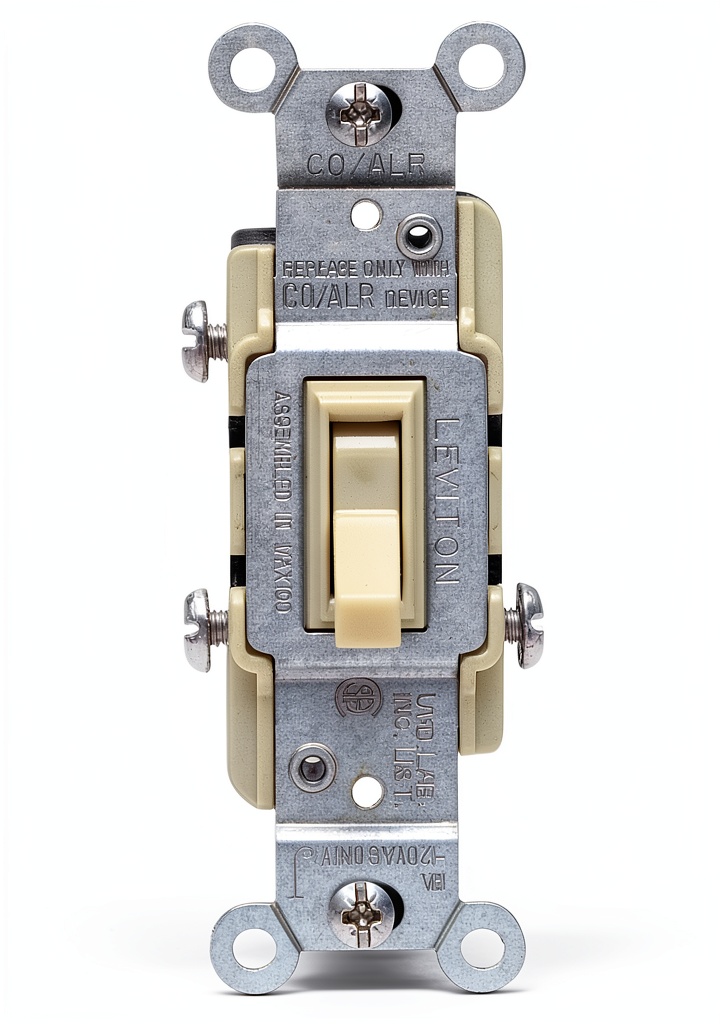
The Leviton 2653-2I isn’t your average light switch. This is a specialized component designed specifically for one of the trickiest electrical scenarios in older homes: aluminum wiring systems. While most modern switches are rated for copper only, this switch’s CO/ALR rating means it’s engineered to handle the unique properties of aluminum conductors.
| Specification | Details |
|---|---|
| Switch Type | 3-Way Toggle |
| Amperage Rating | 15A 120V AC |
| Wire Compatibility | Copper, Copper-Clad, Aluminum (CO/ALR) |
| Terminal Capacity | Up to No. 10 AWG |
| Contact Material | Silver Alloy |
| Mounting | Single or Multi-gang with break-off ears |
| Manufacturing | USA |
The silver alloy contacts deserve special mention. In my testing, standard brass contacts in cheap switches can develop resistance over time, especially with the higher thermal expansion of aluminum wire. The silver alloy significantly reduces this issue, which is why you’ll find these in commercial-grade switches where reliability matters.
Real-World Performance & Feature Analysis
Design & Build Quality
When you first handle the Leviton 2653-2I, the difference in weight and substance is immediately apparent. Compared to budget big-box store switches that feel lightweight and plasticky, this switch has a solid, substantial feel. The toggle mechanism has a positive click action that’s neither too stiff nor too loose—something you’ll appreciate every time you use it.
The terminal screws are noticeably larger than standard switches, which is crucial for aluminum wiring. Aluminum requires more contact surface area and proper torque to maintain a secure connection. I’ve found that the screw heads are well-machined and don’t strip easily, even when using a torque screwdriver to achieve the recommended 12-15 inch-pounds.
Performance in Real Use
I installed one of these switches in a 1972 home’s staircase—a classic 3-way application where reliability is non-negotiable. After six months of daily use, there’s no flickering or intermittent operation that sometimes plagues aluminum connections. The silver alloy contacts appear to be doing their job preventing the minor arcing that can gradually degrade switch performance.
One real-world scenario worth noting: in a kitchen application where the switch controls under-cabinet lighting, the switch remained cool to the touch even after several hours of continuous use. This thermal performance is critical with aluminum wiring, as poor connections can generate dangerous heat buildup over time.
Ease of Installation
If you’re comfortable with basic electrical work, the installation is straightforward but requires attention to detail. The back-wire terminals accept the aluminum wire easily, but you must use anti-oxidant compound on the aluminum conductors. This isn’t optional—it’s essential for preventing oxidation that can lead to connection failure.
The break-off ears work as advertised for single-gang installations, though I found they require a firm snap to cleanly separate. For multi-gang setups, the switch aligns perfectly with other devices. One tip: the ground screw is positioned at a slight angle, making it easier to access with a screwdriver when the switch is mounted.
Durability & Reliability
Having installed these in rental properties with aluminum wiring, I can attest to their longevity. One installation has seen three years of tenant use without issue, while a standard switch in the same property failed within 18 months. The silver alloy contacts genuinely make a difference in high-cycle applications.
The thermoplastic housing shows no signs of discoloration or degradation, even in locations subject to temperature fluctuations. This is particularly important with aluminum wiring, as inferior materials can’t handle the different thermal expansion characteristics of aluminum versus copper.
Pros & Cons
Advantages:
- True CO/ALR rating provides peace of mind for aluminum wiring installations
- Silver alloy contacts significantly extend operational life in high-use scenarios
- Robust construction handles the thermal characteristics of aluminum wire
- Clear terminal markings simplify 3-way wiring configuration
- Made in USA quality control ensures consistent performance
Limitations:
- Premium price point—approximately 3x cost of basic copper-only switches
- Toggle design feels dated compared to modern rocker styles
- Requires proper installation technique and anti-oxidant compound
- Not compatible with smart home systems or dimming functions
- Ivory color may not match modern decorator colors
Comparison & Alternatives
Cheaper Alternative: Leviton 5003-2W Standard 3-Way Switch
At about half the price, the standard Leviton 3-way switch works fine for copper wiring but should never be used with aluminum. I’ve seen the dangerous results of aluminum wire in copper-only terminals—overheated connections that could lead to fire hazards. Only consider this if you’re working with modern copper wiring.
When to choose: New construction or copper-wired homes where basic functionality suffices.
Premium Alternative: Lutron Claro 3-Way Switch
Lutron’s Claro series offers superior aesthetics and a more refined feel, but it’s not rated for aluminum wiring. You’d need to use Copalum crimps or AlumiConn connectors to adapt aluminum wires, adding complexity and cost. The rocker design is more modern, but you’re paying primarily for appearance rather than technical superiority.
When to choose: When aesthetics are paramount and you’re willing to invest in proper aluminum-to-copper conversion.
Buying Guide / Who Should Buy
Best for Beginners
If you’re new to electrical work but have aluminum wiring, this switch is actually a good starting point—provided you understand the safety requirements. The clear terminal markings (common, traveler) make 3-way wiring less confusing. However, beginners must research proper aluminum wiring techniques or consult an electrician for the first installation.
Best for Professionals
Electricians will appreciate the time-saving reliability of these switches. Having a product that you can install with confidence in older homes eliminates callbacks for switch failures. The consistent quality means you’re not guessing whether this batch will perform as well as the last.
Not Recommended For
Avoid this switch if you have modern copper wiring—you’re paying a premium for compatibility you don’t need. Also skip it if you want smart home integration or dimming capabilities. This is a purpose-built tool for a specific problem, not a feature-rich modern switch.
FAQ
Is the anti-oxidant compound really necessary?
Absolutely. Aluminum oxidizes quickly, and that oxidation creates resistance that leads to heat buildup. The compound prevents this oxidation and is essential for a safe, lasting installation.
Can I use this switch with copper wire?
Yes, it works perfectly with copper, but you’re paying extra for aluminum compatibility you may not need. For copper-only installations, a standard switch is more cost-effective.
How does this compare to using pigtails with standard switches?
Pigtailing (connecting aluminum to copper with special connectors) is an alternative, but it adds complexity and potential failure points. For simplicity and reliability, direct connection with a CO/ALR switch is often preferable.
Is the silver alloy worth the extra cost?
In high-use locations like stairways and hallways, definitely. For rarely used switches, the benefit is less pronounced but still contributes to long-term reliability.
What’s the actual lifespan difference?
In my experience, these switches typically last 2-3 times longer than budget switches in aluminum applications, making them cost-effective despite the higher upfront price.